How to Diagnose Common Pressure Washing Problems for Palmetto Homes
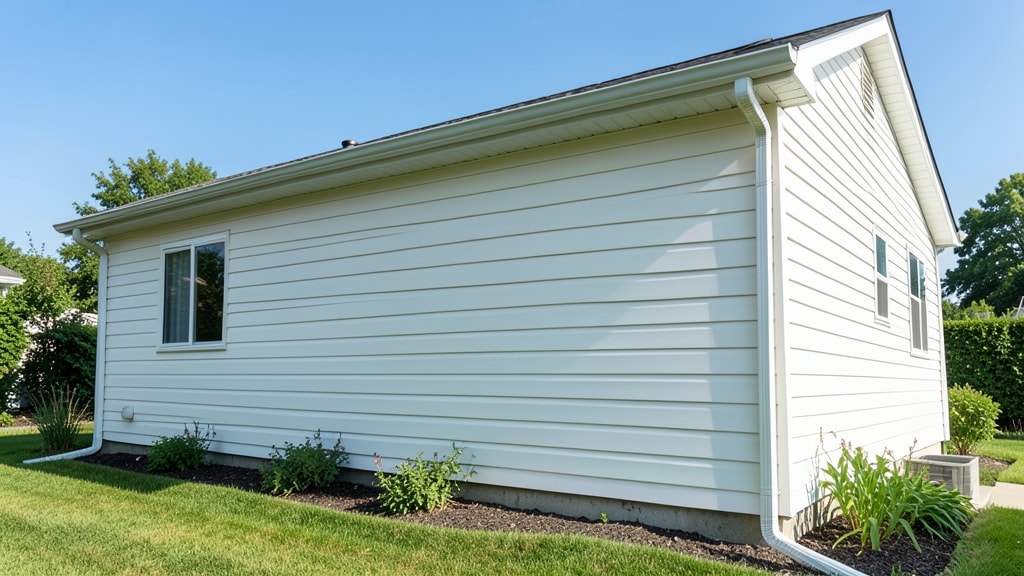
Pressure washing can restore your home’s curb appeal—if done right. Too often, DIY attempts in our Florida climate lead to streaks, damage, or wasted effort. We’ll help you spot the red flags before they become costly repairs, whether it’s your driveway in Ellenton or your roof in Parrish.
Why Pressure Washing Goes Wrong in Florida’s Climate
Our humid, salty air accelerates mold, mildew, and algae growth on surfaces. That means pressure washing isn’t just about aesthetics—it’s maintenance against long-term decay.
Sun exposure and frequent rain can also cause efflorescence on concrete or discoloration on decks. These aren’t just stains; they’re signs your surfaces need the right cleaning approach.
Signs Your Pressure Washing Technique Is Damaging Surfaces
Etching on concrete or pitted wood? That’s a classic sign of excessive PSI or the wrong nozzle. Soft surfaces like vinyl siding or old paint can’t handle high pressure.
Streaks or uneven cleaning often mean inconsistent distance from the surface or uneven detergent application. Even pressure and steady motion are key.
This ultra-narrow spray can cut through wood, strip paint, and damage masonry. Reserve it for stubborn graffiti removal on concrete only.
Common Pressure Washer Equipment Failures
A sputtering spray or loss of pressure usually points to a clogged nozzle or filter. Regularly flush your system with clean water to prevent buildup from Florida’s hard water.
If your machine won’t start or shuts off unexpectedly, check the unloader valve or pump oil level. Neglecting maintenance shortens the life of your washer.
| Symptom | Likely Cause | Quick Fix |
|---|---|---|
| Low pressure | Clogged nozzle or filter | Clean or replace nozzle/filter |
| Pulsing spray | Air in the system or pump issue | Purge air; check pump oil |
| No detergent flow | Clogged injector or siphon tube | Clear blockage; check detergent viscosity |
| Machine overheating | Insufficient water supply | Ensure adequate GPM; check hose for kinks |
Surface-Specific Red Flags
On roofs, black streaks aren’t just dirt—they’re Gloeocapsa magma algae. A soft wash with the right biocide is the only safe solution; high pressure can dislodge shingles.
Driveways in Bradenton or Terra Ceia often show oil stains or tire marks. These require pre-treatment with a degreaser before pressure washing to avoid spreading the stain.
Wood decks and fences in Rubonia can gray from UV exposure. If the wood fibers feel rough, it’s time for a gentle wash and sealant to prevent further degradation.
Chemical Mistakes That Backfire
Using bleach straight from the bottle? It can kill plants, corrode metal fixtures, and leave residue. Always dilute and use a surfactant to lift contaminants safely.
Acid-based cleaners on concrete can cause pitting if left too long. Neutralize with water immediately after cleaning to protect the surface.
For mold or mildew on siding or fences, apply a sodium hypochlorite solution (10-12%) and let it dwell for 5-10 minutes before rinsing. Agitation isn’t always necessary.
When to Call a Pro Instead of DIY
Multi-story homes in Palmetto or commercial buildings in Ellenton often require extension wands, lifts, or specialized equipment. Safety and efficiency matter at height.
If you’re dealing with lead paint, asbestos siding, or historical masonry, improper pressure washing can release hazardous materials. Pros have the training and containment strategies.
Signs You Need Professional Help
- Surfaces are 2+ stories high
- Visible structural damage or rot
- Presence of hazardous materials (lead, asbestos)
- Recurring stains after DIY attempts
- Need for hot water or specialized detergents
Preventing Future Problems with Regular Maintenance
Schedule pressure washing before Florida’s rainy season (June–November) to prevent mold and mildew buildup. A clean surface sheds water better, reducing long-term damage.
After cleaning, inspect caulking, seals, and paint. Addressing small gaps now prevents water intrusion that leads to bigger issues later.
How to Diagnose Pressure Washer Performance Issues
Follow these steps to pinpoint the problem before it damages your equipment or surfaces.
- 1Check Water Supply
Ensure your garden hose provides adequate GPM (usually 2–4 GPM for residential washers). Low flow can cause the pump to overheat.
- 2Inspect the Nozzle
Remove the nozzle and check for debris or wear. A worn nozzle can increase the spray angle, reducing pressure.
- 3Test the Unloader Valve
If the washer surges or loses pressure, the unloader valve may be faulty. Listen for a clicking sound when triggering the gun.
- 4Examine the Pump
Look for leaks or unusual noises. If the pump is damaged, it may need rebuilding or replacement—especially after running it dry.
- 5Verify Detergent System
If soap isn’t drawing, check the siphon tube for clogs or kinks. Ensure your detergent is thin enough to flow through the system.
Frequently Asked Questions
Why does my pressure washer leave streaks on my Palmetto home’s siding?
Streaks usually come from uneven detergent application, inconsistent distance from the surface, or using too much pressure. Vinyl siding should be cleaned with a wide-angle nozzle (25–40 degrees) and low PSI (1,200–1,500). Pre-treating with a surfactant helps lift dirt evenly.
Can pressure washing remove rust stains from my driveway?
Rust stains often require a specialized rust remover or oxalic acid pre-treatment before pressure washing. Standard detergents won’t break down iron oxide. Test a small area first, as some cleaners can etch concrete if left too long.
Is it safe to pressure wash a roof in Florida’s heat?
High heat can cause cleaning solutions to dry too quickly, reducing their effectiveness. Early morning or late afternoon is ideal. Always use a soft wash system (low pressure, high-volume detergent) to avoid damaging shingles. Never walk on a wet roof—it’s slippery and dangerous.
What’s the difference between pressure washing and soft washing for my deck?
Pressure washing uses high PSI to blast away dirt, which can damage wood fibers if not done carefully. Soft washing relies on low pressure (500–1,000 PSI) and chemical cleaners to kill mold, mildew, and algae. For decks in Parrish or Rubonia, soft washing is safer and extends the life of the wood.
How do I prevent pressure washing from damaging my plants?
Cover nearby plants with plastic sheeting or tarps before cleaning. Use eco-friendly, plant-safe detergents, and rinse foliage immediately if overspray occurs. Avoid cleaning on windy days to minimize drift.
My pressure washer won’t start. What should I check first?
Start with the basics: Is there fuel in the tank (for gas models)? Is the spark plug connected? For electric models, check the power cord and outlet. If those are fine, inspect the unloader valve or pump for blockages. Regular maintenance, like changing the oil and air filter, prevents many startup issues.