How Often Should You Pressure Wash Your Home in Palmetto to Save on Long-Term Costs?
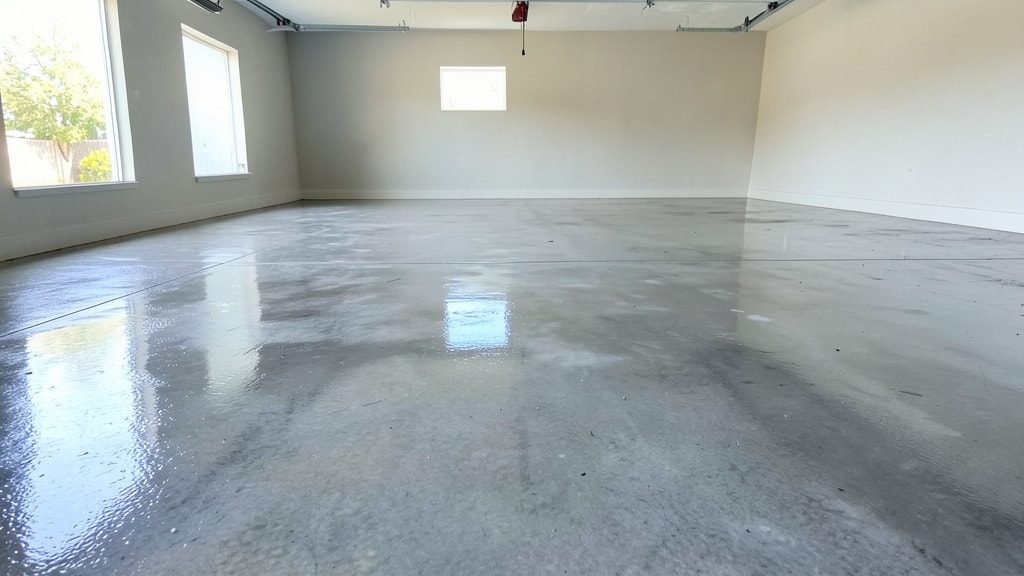
Florida’s relentless humidity, salt air, and seasonal storms accelerate grime buildup on homes in our area. Regular pressure washing isn’t just about curb appeal—it’s a cost-saving defense against mold, mildew, and material degradation that lead to expensive repairs. We’ll break down the ideal schedule based on local conditions and your home’s specific needs.
Why Palmetto Homes Need More Frequent Pressure Washing
Our subtropical climate means constant moisture, UV exposure, and airborne salt from the Gulf—perfect conditions for mold, algae, and hard water stains. These contaminants don’t just look bad; they break down siding, decks, and roofs over time.
Homes near the water or in low-lying areas like Rubonia or Terra Ceia often see faster buildup. Even inland neighborhoods in Ellenton or Parrish aren’t immune to the humidity that fuels organic growth.
By the time you see black streaks or green patches, the damage may already be compromising paint, sealants, or structural integrity. Proactive cleaning is cheaper than repairs.
Recommended Pressure Washing Schedule for Florida Homes
For most homes in our area, a full exterior wash every 12 to 18 months strikes the right balance between protection and practicality. But high-exposure properties—like those near the coast or with heavy tree cover—should be cleaned every 6 to 12 months.
Driveways and sidewalks in high-traffic areas or under oak trees may need attention every 6 months due to oil stains, pollen, and organic debris. Roofs, especially asphalt shingle, benefit from a soft wash every 18 to 24 months to prevent algae from shortening their lifespan.
How Surface Materials Affect Your Cleaning Timeline
Vinyl siding is durable but prone to streaking and mildew in humid climates—stick to the 12-month rule. Stucco and brick, while resilient, can trap moisture and require more frequent cleaning to prevent efflorescence and mold penetration.
Wood decks and fences in Parrish or Bradenton demand annual cleaning to prevent rot and preserve sealants. Concrete driveways last longer between cleanings but accumulate deep-set stains that become harder to remove over time.
| Surface | Ideal Frequency | Key Threats |
|---|---|---|
| Vinyl Siding | Every 12 months | Mildew, hard water stains |
| Stucco/Brick | Every 12-18 months | Efflorescence, mold |
| Wood Deck/Fence | Every 12 months | Rot, UV damage |
| Concrete Driveway | Every 12-24 months | Oil stains, algae |
| Asphalt Roof | Every 18-24 months (Soft Wash) | Algae, moss |
| Paver Patio | Every 12-18 months | Sand loss, weed growth |
Signs Your Home Needs Pressure Washing Sooner Than Planned
Dark streaks on the roof or siding often indicate Gloeocapsa magma, a black algae that thrives in Florida’s heat. Left unchecked, it can reduce roof reflectivity and raise cooling costs.
White, chalky residue on brick or concrete is efflorescence—mineral deposits from moisture. It’s a sign water isn’t draining properly, and pressure washing can help before it leads to cracking.
Green or slippery patches on decks, sidewalks, or driveways aren’t just unsightly; they’re a safety hazard. These areas may need spot-cleaning between full washes.
Red Flags for Early Cleaning
- Visible mold or mildew on north-facing walls
- Black streaks on the roof or gutters
- Slippery film on walkways or patios
- Fading or peeling paint on siding
- White mineral deposits on masonry
DIY vs. Professional Pressure Washing: What Palmetto Homeowners Should Know
Renting a pressure washer might seem cost-effective, but improper PSI or nozzle choice can etch concrete, strip paint, or damage soft surfaces like wood. Our team uses commercial-grade equipment calibrated for each material.
Soft washing—critical for roofs and delicate surfaces—requires specialized detergents (often sodium hypochlorite-based) and low-pressure application. It’s not a DIY job without proper training and safety gear.
If you tackle small jobs yourself, always use a 25- to 40-degree nozzle for siding and a 15-degree for concrete. Test on a hidden area first, and never aim upward under siding or roof shingles.
How Regular Cleaning Saves You Money Long-Term
Pressure washing removes contaminants that degrade sealants, paint, and coatings. For example, a deck cleaned and resealed annually can last 10+ years; neglect it, and you may face full replacement in half that time.
Algae and moss on roofs retain moisture, accelerating shingle deterioration. Soft washing every 2 years can extend a roof’s life by 5–10 years, delaying a costly replacement.
Driveways and sidewalks stained by oil, rust, or organic growth can become permanently discolored. Regular cleaning maintains property value and avoids the need for resurfacing.
Seasonal Considerations for Palmetto Pressure Washing
Schedule exterior cleaning in late spring or early fall to avoid the peak heat of summer and the pollen explosion of early spring. These windows also allow surfaces to dry thoroughly before winter moisture sets in.
Post-hurricane season is a critical time for a deep clean. Storm debris, salt spray, and wind-blown dirt can accelerate wear if left unaddressed. Many homeowners in Bradenton and Ellenton opt for a fall wash to prepare for winter.
Related Services to Maximize Your Home’s Protection
Pair pressure washing with gutter cleaning to ensure proper drainage and prevent water damage to fascias and foundations. Clogged gutters in our area often lead to overflow that stains siding and erodes landscaping.
Window cleaning after a pressure wash removes the final layer of grime and streaks, especially important for homes with large glass surfaces facing west into the afternoon sun.
Commercial properties in Palmetto or nearby areas benefit from routine pressure washing to maintain compliance with local codes and preserve tenant satisfaction. Graffiti removal is another specialized service we offer to keep storefronts looking their best.
How to Determine Your Home’s Pressure Washing Needs
Follow these steps to assess whether your home is due for a professional cleaning.
- 1Inspect for Visible Contaminants
Walk around your property and note black streaks, green patches, or white residue on surfaces. Pay special attention to north-facing walls, shaded areas, and under eaves.
- 2Check for Material-Specific Issues
Look for peeling paint on siding, crumbling grout on pavers, or warping on wood decks. These are signs that grime has compromised the surface.
- 3Assess High-Traffic or High-Exposure Areas
Driveways, walkways, and areas near trees or downspouts often need more frequent cleaning. Note any oil stains, moss, or embedded dirt.
- 4Review Your Last Cleaning Date
If it’s been over a year since your last professional wash—or if you’ve never had one—it’s likely time to schedule. Consider the surface material and local conditions.
- 5Consult a Local Expert
Unsure? Request a quote from our team. We’ll evaluate your home’s specific needs, from roof soft washing to driveway stain removal, and recommend a tailored schedule.
Frequently Asked Questions
Can pressure washing damage my home’s exterior?
Yes, if done incorrectly. High PSI or the wrong nozzle can etch concrete, strip paint, or damage siding. That’s why we use material-specific settings and soft wash techniques for delicate surfaces like roofs and wood.
How does Florida’s climate affect pressure washing frequency?
The humidity, salt air, and frequent rain in our area accelerate mold, mildew, and algae growth. Homes here often need more frequent cleaning than those in drier climates—sometimes twice a year for high-exposure properties.
Is soft washing better than pressure washing for my Palmetto home?
Soft washing is ideal for roofs, siding, and other delicate surfaces because it uses low pressure and specialized detergents to kill contaminants without damage. Traditional pressure washing is better for hard surfaces like driveways and sidewalks.
What’s a good time of year to pressure wash my home in this area?
Late spring or early fall are optimal. These seasons offer mild temperatures and lower humidity, allowing surfaces to dry thoroughly. Avoid the height of summer heat or the pollen-heavy early spring.
Do I need to pressure wash my home before painting or sealing?
Absolutely. Cleaning removes dirt, mildew, and chalking that can prevent paint or sealant from adhering properly. It ensures a smooth, long-lasting finish and maximizes the lifespan of your investment.
How long does it take for surfaces to dry after pressure washing?
Most surfaces dry within 24 to 48 hours, depending on humidity and temperature. We recommend waiting at least 24 hours before applying paint, sealant, or other treatments to ensure proper adhesion.