How to Prep Your Concrete for Sealing – A Pro’s Checklist for Palmetto Homeowners
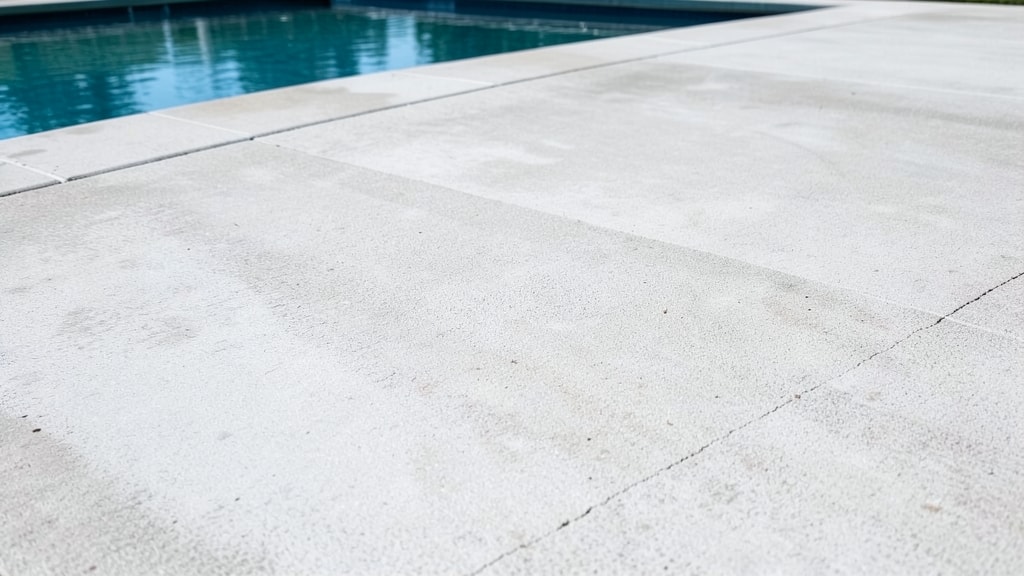
Sealing concrete in our Florida climate isn’t just about looks—it’s about longevity. Without proper prep, even the best sealer will fail fast. We’ve seen it too many times in Palmetto: driveways in Ellenton or patios in Parrish peeling within months because the surface wasn’t ready. Here’s how to do it right, from our team’s years on the job.
Why Prep Matters More Than the Sealer Itself
Concrete is porous. Dirt, oil, and old sealer act like a barrier, preventing new sealer from bonding. Skip prep, and you’re sealing in contaminants—leading to peeling and a wasted weekend.
In our humid, salty air near Terra Ceia and Rubonia, mold and mildew take hold fast. A thorough clean kills spores before they grow back under fresh sealer.
Oil, rust, or efflorescence will bleed through new sealer. Remove them first or they’ll reappear—often within weeks.
Step 1: Clear the Surface and Inspect for Damage
Remove furniture, potted plants, and vehicles. Sweep away loose debris, leaves, and dirt. Check for cracks, spalling, or uneven areas—these need repair before sealing.
In older neighborhoods like Bradenton or Parrish, concrete often has hairline cracks. Fill them with a concrete patch and let cure fully before proceeding.
Step 2: Deep Clean with the Right Pressure Washing Technique
Use a pressure washer with a 25- to 40-degree nozzle. Too narrow (0-15 degrees) can etch concrete. Keep the wand 12–18 inches from the surface to avoid damage.
For stubborn stains, pre-treat with a degreaser or concrete cleaner. In Palmetto’s heat, work in sections to prevent the solution from drying too fast.
Using hot water in your pressure washer cuts through oil and grease faster. It’s a game-changer for driveways near busy roads in Ellenton or commercial lots.
Step 3: Remove Efflorescence and Mineral Deposits
Efflorescence—those white, chalky stains—is common in Florida’s high-water-table areas. Scrub with a stiff brush and a pH-neutral cleaner, or use a mild acid wash (10% muriatic acid solution) for tough cases.
Rinse immediately after acid use to prevent surface damage. Neutralize with a baking soda solution if needed, especially on newer concrete.
| Stain Type | Cleaning Method | Pressure Washing Tip |
|---|---|---|
| Oil/Grease | Degreaser or hot water pressure wash | Use a 40-degree nozzle, 12" away |
| Mold/Mildew | Bleach solution (1:10) or soft wash | Pre-treat, dwell 10 mins, then rinse |
| Rust | Oxalic acid or commercial rust remover | Rinse thoroughly; may need repeat treatment |
| Efflorescence | pH-neutral cleaner or mild acid wash | Neutralize acid after application |
| Chewing Gum/Paint | Scrape, then use a solvent or paint remover | Test in small area first |
Step 4: Etch or Profile the Concrete (If Needed)
New or smooth concrete often needs etching to create a profile for sealer adhesion. Use a 15-20% muriatic acid solution, or a commercial etching product for safer handling.
For older, textured concrete, a thorough pressure wash may be enough. Test by splashing water on the surface—if it beads, etching is likely necessary.
Always wear gloves, goggles, and long sleeves when handling acid. Work in well-ventilated areas and keep kids/pets away.
Step 5: Let the Concrete Dry Completely
Sealer won’t bond to damp concrete. In our humidity, this can take 24–48 hours (or longer in shaded areas). Use a moisture meter or the plastic sheet test: tape a sheet to the surface; if condensation forms underneath, it’s not dry.
Avoid sealing if rain is forecast within 24 hours. Palmetto’s sudden summer storms can ruin your work before it even starts.
When to Call in the Pros for Pressure Washing
If your concrete is heavily stained, has deep oil penetration, or covers a large area (like a commercial lot in Bradenton), professional pressure washing saves time and ensures thorough prep.
We also recommend pros for soft wash treatments on delicate surfaces or when dealing with mold near your home’s foundation. It’s not just about power—it’s about precision.
Sealer Selection: Match the Product to the Job
Acrylic sealers are popular for driveways—they’re UV-resistant and enhance color. Epoxy or polyurethane sealers offer heavy-duty protection for garages or industrial floors in Ellenton or Parrish.
Penetrating sealers (silane/siloxane) are ideal for older, porous concrete. They repel water without changing the look, perfect for historic homes in Terra Ceia.
How to Pressure Wash Concrete Before Sealing
Follow these steps for a clean, sealer-ready surface.
- 1Pre-Treat Stains
Apply degreaser or stain remover to oil, rust, or mildew. Let dwell for 10–15 minutes, but don’t let it dry.
- 2Set Up Your Pressure Washer
Use a 25- to 40-degree nozzle, 12–18 inches from the surface. Set PSI to 2,500–3,500 for residential concrete.
- 3Wash in Sections
Work in overlapping passes, keeping the nozzle moving to avoid etching. Start at the farthest corner and work toward the exit.
- 4Rinse Thoroughly
Remove all cleaning solutions with a final pass of clean water. Check for missed spots in sunlight.
- 5Inspect and Repeat
Let the surface dry, then inspect. Re-wash any areas with remaining stains or residue.
Frequently Asked Questions
How often should I reseal my concrete in Palmetto?
In our climate, most driveways and patios need resealing every 2–3 years. High-traffic areas or waterfront homes near Rubonia may need it annually. Always clean and prep the surface before reapplying.
Can I pressure wash concrete myself, or should I hire a pro?
DIY is fine for small, lightly soiled areas. But for large driveways, deep stains, or if you’re unsure about PSI settings, hiring a local pro (like our team) prevents damage and ensures a thorough job.
What’s the difference between pressure washing and soft washing concrete?
Pressure washing uses high PSI to blast away dirt—great for driveways. Soft washing uses lower pressure with specialized cleaners to kill mold and mildew, ideal for delicate surfaces or near landscaping in Ellenton or Parrish.
Will pressure washing remove all stains from my concrete?
Most surface stains come out with the right technique. But deep oil stains or rust may need additional treatments like poultices or repeat cleanings. Efflorescence often requires acid washing.
How do I know if my concrete is dry enough to seal?
Use the plastic sheet test: tape a 2x2 ft sheet to the concrete. If condensation forms underneath after 24 hours, it’s not dry. A moisture meter (available at hardware stores) gives a precise reading.
Is it okay to seal concrete in the winter in Florida?
Winter in Palmetto is mild, but temperatures should stay above 50°F for at least 24 hours after application. Check the sealer’s label—some require 70°F+ for proper curing.