Rust Stains on Your Patio? Effective Pressure Washing Solutions in Palmetto
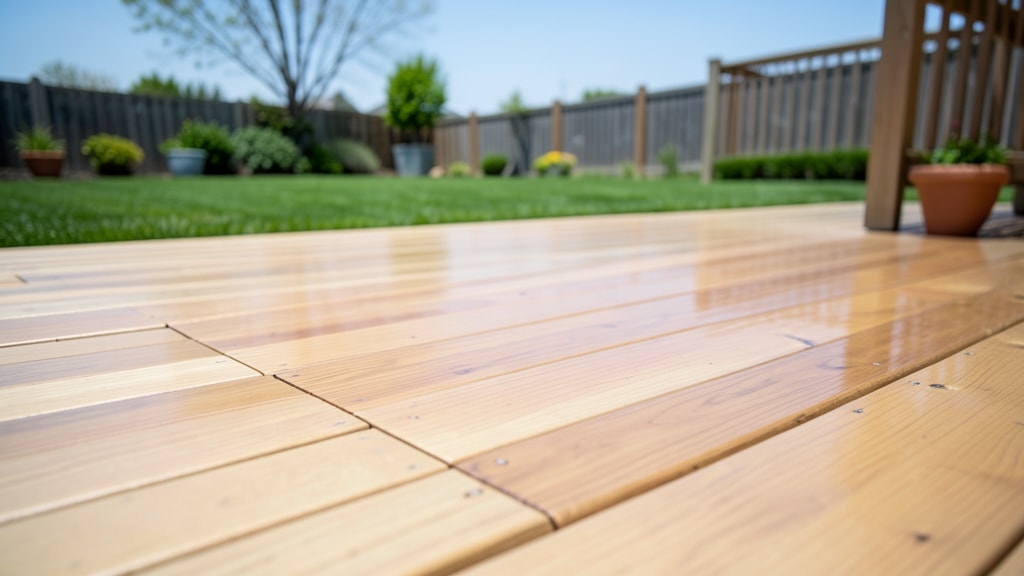
Rust stains on your patio aren’t just unsightly—they’re a sign of iron oxide bonding to porous surfaces like concrete, pavers, or stone. In our humid Florida climate, these stains spread fast. We use targeted pressure washing techniques to lift them without damaging your patio or the surrounding landscape.
Why Rust Stains Form on Patios in Florida
Rust stains appear when iron particles—from furniture, tools, or even irrigation water—oxidize and bind to your patio’s surface. Florida’s high humidity and frequent rain accelerate this process, especially on unsealed concrete or natural stone.
Metal outdoor furniture, grill drippings, or old nails left on the surface can leave behind ferrous oxide. Even the rebar inside concrete can cause staining if the slab begins to degrade. The longer rust sits, the deeper it penetrates.
Can Pressure Washing Remove Rust Stains?
Standard pressure washing alone often isn’t enough. Rust is a chemical stain, not just surface dirt. High-pressure water can clean the top layer but may not break the bond between iron oxide and the patio material.
We combine pressure washing with specialized rust-removal solutions. For concrete, pavers, or stone, we use chelating agents or oxalic acid-based treatments that dissolve rust at the molecular level before rinsing it away.
Brown or reddish discoloration can also come from tannins, algae, or hard water. We test stains first to confirm the cause before applying treatments.
The Best Pressure Washing Methods for Rust Removal
For light surface rust, hot water pressure washing at 2,500–3,000 PSI with a 15–25° nozzle can lift stains without etching concrete. We adjust PSI based on the material—pavers need less pressure than stained concrete.
For deep-set rust, we pre-treat with a rust dissolver, dwell for 10–15 minutes, then agitate with a surface cleaner attachment. This ensures even coverage and prevents streaking. A final rinse at lower PSI removes all residue.
Pressure Washing vs. Chemical Treatments: What Works Best?
Pressure washing excels at removing loose debris and surface-level rust, but chemical treatments are essential for stubborn stains. The right approach depends on the stain’s age, the patio material, and whether the area is sealed.
| Method | Best For | Limitations |
|---|---|---|
| Hot Water Pressure Washing | Fresh, surface-level rust on concrete or pavers | May not remove deep stains; risk of etching if PSI is too high |
| Oxalic Acid Treatment | Deep rust on concrete, stone, or brick | Requires dwell time; must be neutralized and rinsed thoroughly |
| Chelating Agents | Iron stains in porous materials like travertine or limestone | Slower acting; often needs multiple applications |
| Soft Wash (Low-Pressure + Cleaners) | Delicate surfaces like stained wood or composite decking | Not ideal for heavy rust; better for prevention |
Preventing Rust Stains from Returning
Sealing your patio after cleaning creates a barrier that repels water and iron particles. We recommend a penetrating sealer for concrete or pavers, applied every 2–3 years depending on foot traffic and exposure.
Regular maintenance helps too. Sweep away metal shavings or debris promptly, and avoid leaving metal furniture or tools on the patio during rain. In areas like Ellenton or Bradenton, where humidity is relentless, more frequent cleaning may be needed.
Patio Rust Prevention Checklist
- Seal your patio after deep cleaning
- Use furniture pads or coasters under metal legs
- Rinse the patio after heavy rain to remove iron-rich water
- Inspect for early signs of rust and treat promptly
- Schedule annual pressure washing to prevent buildup
What to Avoid When Removing Rust Stains
Never use bleach or chlorine-based cleaners on rust stains. Bleach can react with iron to create even more stubborn discoloration, and it won’t break down the oxide bond.
Avoid wire brushing or steel wool, which can grind iron particles deeper into the surface. Also, skip DIY acid washes like vinegar or lemon juice—they’re too weak for serious stains and can damage sealants or certain stone types.
Improper acid use can etch concrete or discolor pavers permanently. Always test cleaners in a small area first or trust a professional.
How Long Does Rust Stain Removal Take?
Most residential patio rust removal jobs take 2–4 hours, depending on the size and severity of the stains. Pre-treatment dwell time adds to the process, but it’s necessary for thorough results.
For commercial properties in areas like Parrish or Terra Ceia, larger patios or multiple surfaces (e.g., driveways and walkways) may require a full day. We always provide a time estimate during your quote.
When to Call a Professional Pressure Washing Team
If rust stains cover more than 20% of your patio, or if DIY attempts have failed, it’s time to call in experts. We have the equipment and chemistry to tackle tough stains without damaging your property.
We also handle rust on other surfaces—driveways, sidewalks, or even house siding in Rubonia or nearby neighborhoods. Our soft wash methods are safe for delicate materials like stucco or painted wood.
How to Prep Your Patio for Rust Stain Pressure Washing
Proper preparation ensures the best results and protects your property.
- 1Clear the Area
Remove all furniture, grills, potted plants, and loose items from the patio. Check for and pick up any metal objects like nails or screws.
- 2Protect Adjacent Surfaces
Cover nearby landscaping, windows, or doors with plastic sheeting or drop cloths to prevent overspray from cleaners.
- 3Pre-Wet the Surface
Lightly mist the patio with water to dampen the surface. This helps the rust remover penetrate evenly and reduces the risk of streaking.
- 4Test the Cleaner
Apply a small amount of the rust remover to an inconspicuous area to check for adverse reactions, especially on colored or sealed surfaces.
- 5Apply and Dwell
Spray the rust remover evenly, working in sections. Allow it to dwell for the recommended time (usually 10–15 minutes) before agitating or rinsing.
Frequently Asked Questions
Will pressure washing damage my patio if it has rust stains?
Not if done correctly. We use the right PSI, nozzles, and techniques for your patio material. Concrete can handle higher pressure, while pavers or stone require a gentler approach. Improper pressure or distance can cause etching, so precision matters.
Can rust stains come back after pressure washing?
Yes, if the source of the iron isn’t addressed. For example, if old metal furniture remains on the patio or irrigation water contains high iron levels, new stains can form. Sealing the patio and removing metal sources helps prevent recurrence.
Is rust stain removal safe for colored or stamped concrete?
Yes, but it requires care. We use pH-neutral rust removers and lower PSI to avoid stripping color or damaging the stamped pattern. Always test a small area first to ensure compatibility.
Do you offer rust stain removal for driveways in Palmetto?
Absolutely. Driveways often develop rust stains from car fluids, brake dust, or metal parts. We use similar pressure washing and chemical treatments tailored for driveway materials like concrete or asphalt.
How often should I have my patio pressure washed to prevent rust?
In Florida’s climate, we recommend pressure washing your patio at least once a year. If you have metal furniture or high iron content in your water, consider a mid-year touch-up. Regular cleaning prevents stains from setting in.
What’s the difference between rust stain removal and regular patio cleaning?
Regular patio cleaning focuses on dirt, algae, and mildew using standard detergents and pressure washing. Rust stain removal requires specialized chemicals to break down iron oxide, along with adjusted pressure techniques to avoid spreading the stain.